
In-Orbit-Demonstration of the E.T.PACK-F deorbit device prototype

Mission Overview
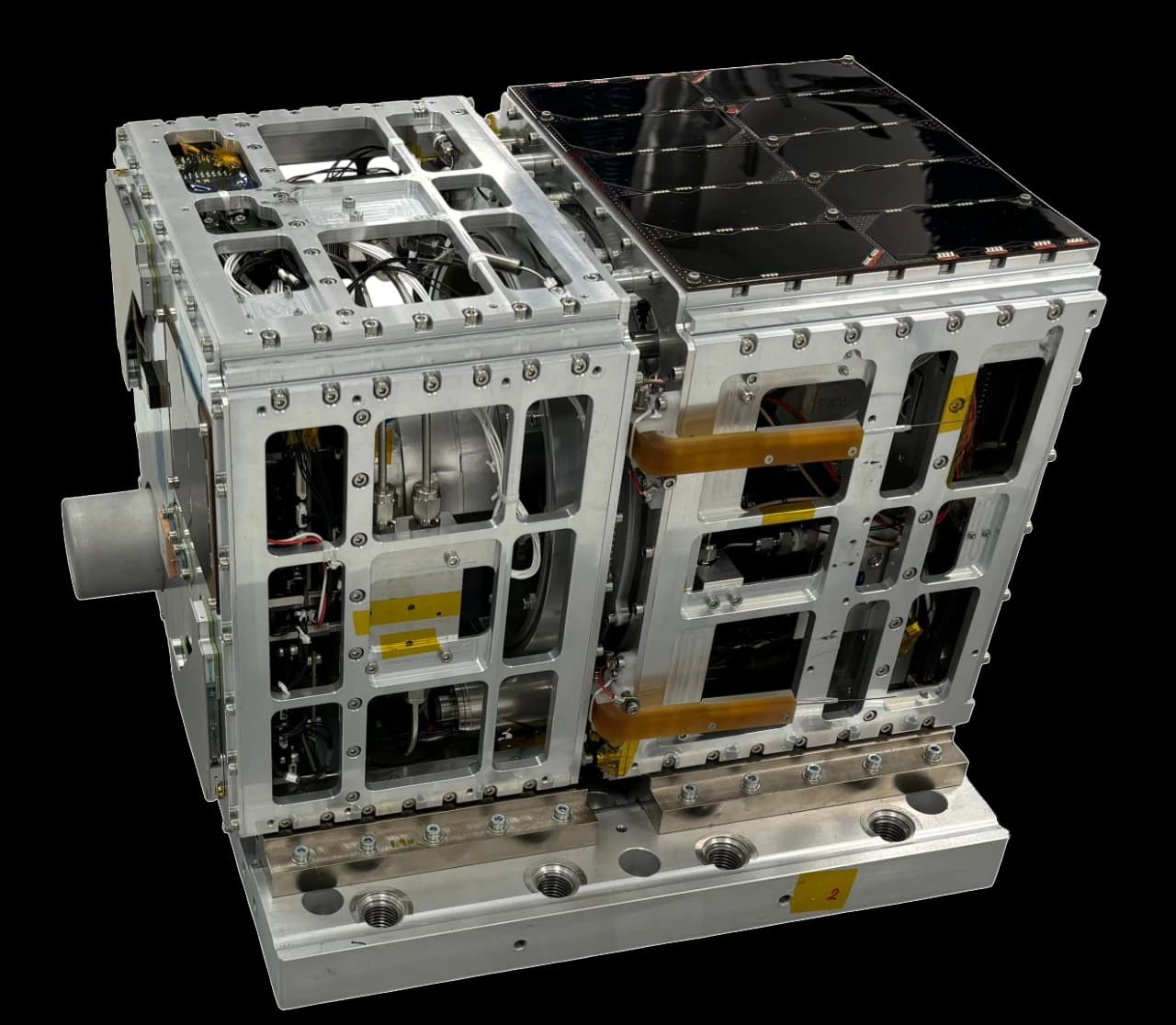
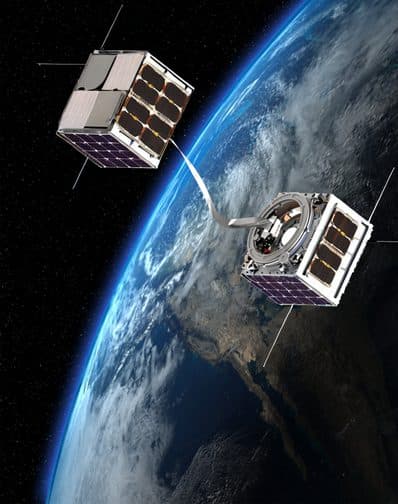
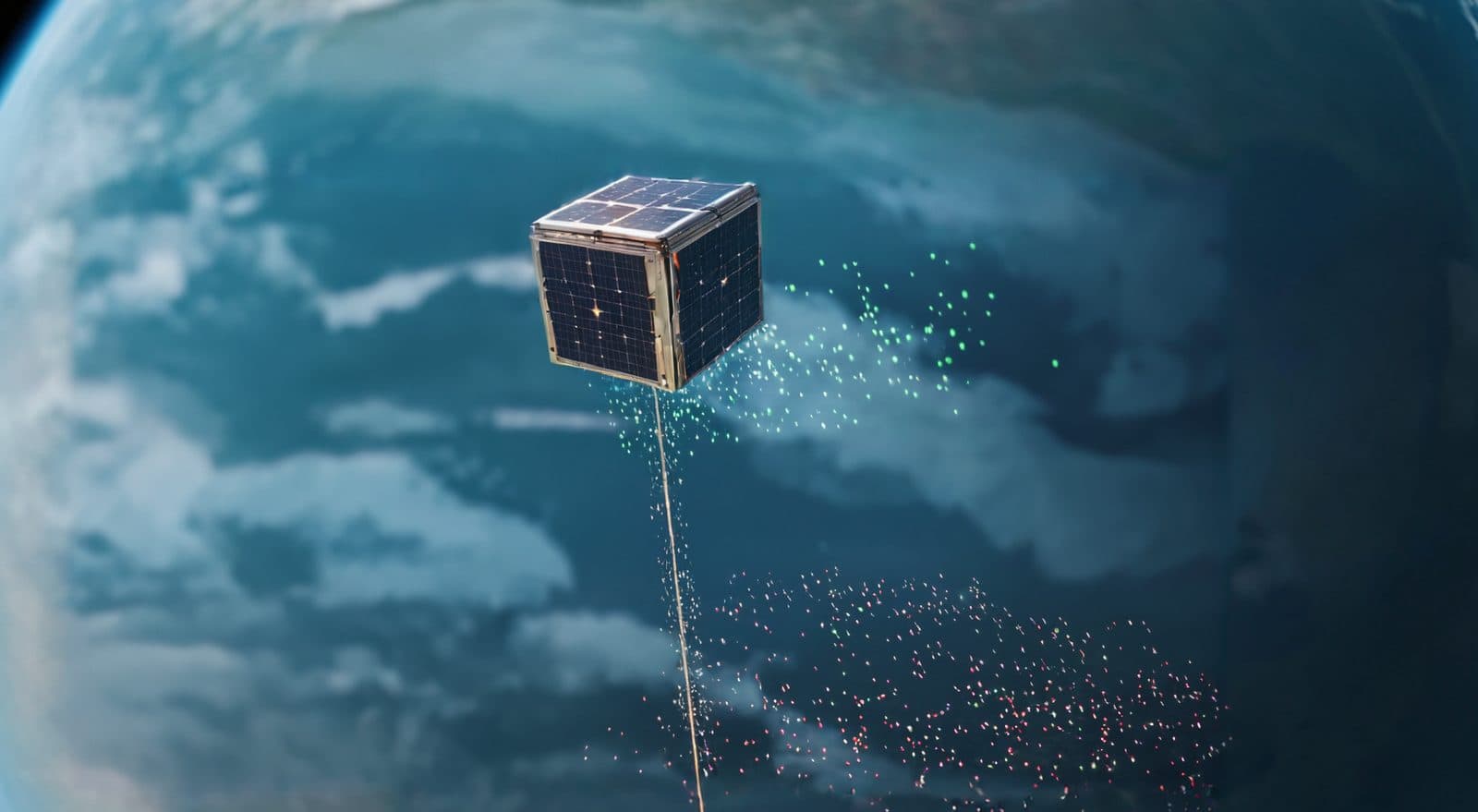
To prove the efficiency and reliability of our technology, PERSEI Space is preparing the first in-orbit demonstration mission of the E.T.PACK-F deorbit device prototype, developed within the E.T.PACK and E.T.PACK-F projects. The mission aims to demonstrate in orbit the world’s first autonomous deorbit device based on a bare electrodynamic tether coupled with a hollow cathode, validating its deployment, operation, and deorbiting performance in a representative orbital environment.
The demonstration mission is expected to last approximately three months, with launch planned into a 550 km Low Earth Orbit (LEO). Its primary objective is to validate the complete system under flight conditions, achieving TRL 9 (Technology Readiness Level 9) for the prototype while demonstrating a fully operational propellant-less deorbit solution for future commercial spacecraft.
Minimum Viable Product (MVP)
Building on the lessons learned from the E.T.PACK-F in-orbit demonstration mission, PERSEI Space will develop PEARSON, the company’s first commercial autonomous and propellant-less deorbit device based on electrodynamic tether technology.
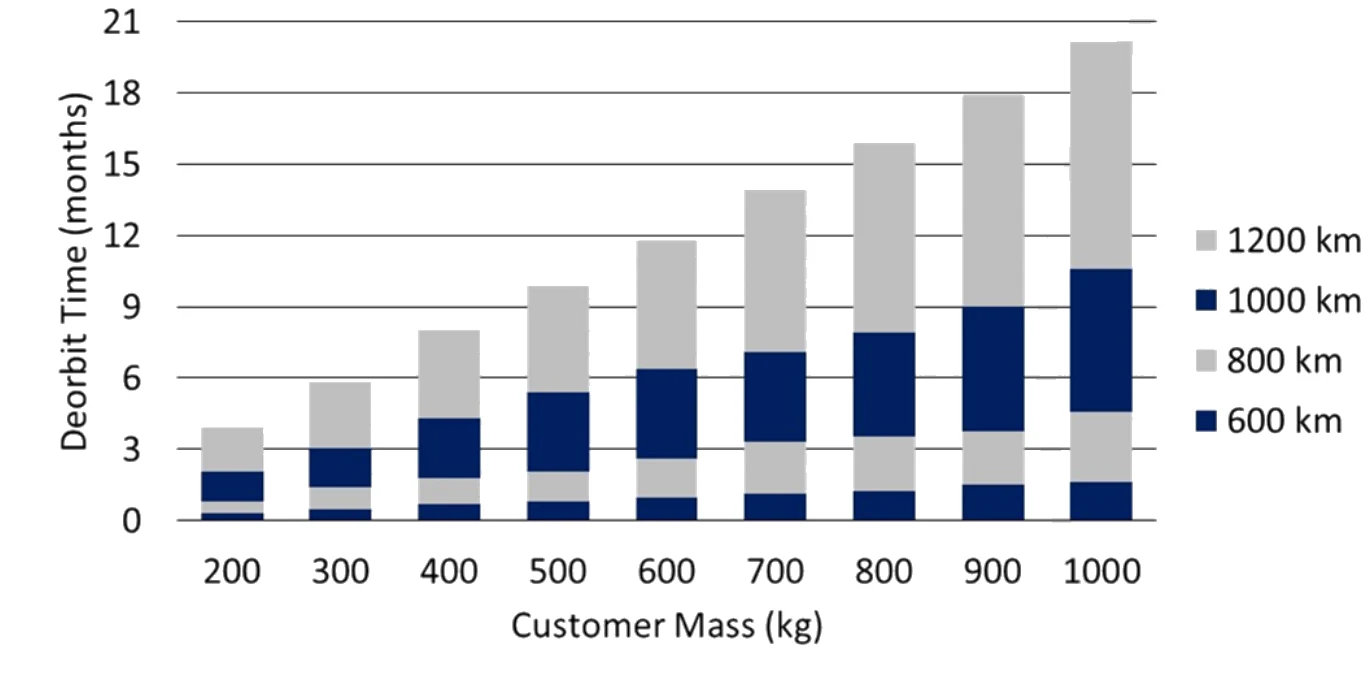
PEARSON is intended to provide a scalable solution capable of deorbiting satellites ranging from approximately 100 kg up to 1,000 kg or more, depending on spacecraft characteristics and whether they are designed for demise. The final product will offer an autonomous, compact, and highly integrated solution requiring no onboard propellant while complying with current and future international space debris mitigation regulations.
The expected performance of the system is illustrated below. As an example, a 100 kg satellite operating at an altitude of 800 km and an orbital inclination of 50° is expected to deorbit in approximately five months, comfortably complying with the most stringent international debris mitigation requirements, including the proposed five-year post-mission disposal guidelines.
Mission Details
- [›]Successful tether deployment
- [›]Measure Lorentz force generation
- [›]Validate deorbit time reduction
Mission Gallery
Status & Milestones
Design & Fabrication
Integration & Testing
Launch
Commissioning
Operational Phase
Deorbit Demonstration
Partner with us
We are actively seeking payload hosting opportunities and partnerships for our upcoming demonstration missions.
Contact us about this mission